
 Previous events
Over the years, the CBA East Midlands group has enjoyed a wide range of archaeological trips, visits, conferences and
other activities. Our recent conference programmes can be found below, so that you can see the range of subjects that
we cover, and the excellent speakers that we attract.
See below for more details on some of the events that we’ve held in past years:
Previous events
Over the years, the CBA East Midlands group has enjoyed a wide range of archaeological trips, visits, conferences and
other activities. Our recent conference programmes can be found below, so that you can see the range of subjects that
we cover, and the excellent speakers that we attract.
See below for more details on some of the events that we’ve held in past years:




 Council for British Archaeology — East Midlands Group: Archaeology for all
Charity No. 1082287
Council for British Archaeology — East Midlands Group: Archaeology for all
Charity No. 1082287
 Would you like to explore
the main CBA national site?
Click here for
archaeologyuk.org
Would you like to explore
the main CBA national site?
Click here for
archaeologyuk.org













 East Midlands
Made with Xara Web Designer
East Midlands
Made with Xara Web Designer
 Council for British Archaeology
 Lincoln Eastern Bypass: archaeological site tour (July 2017)
Courtesy of Network Archaeology, who are responsible for the vast amount of
archaeological work required on the route of the new bypass, 40 of us were ferried by
minibus from a nearby car park to two of the main excavation sites. The excavations
had produced outstanding results from a wide range of archaeological periods: the
discoveries include one of Lincolnshire's largest
prehistoric flint largest assemblages, a Bronze Age
log boat, Roman stone buildings, a large Saxon
cemetery and a medieval grange, to name but a
few. The four tour leaders did an excellent job in showing us around the remain
that were on display, and all those who joined the tour were very grateful to them
for taking time out of their work schedule — particularly on such as hot day!
Lincoln Eastern Bypass: archaeological site tour (July 2017)
Courtesy of Network Archaeology, who are responsible for the vast amount of
archaeological work required on the route of the new bypass, 40 of us were ferried by
minibus from a nearby car park to two of the main excavation sites. The excavations
had produced outstanding results from a wide range of archaeological periods: the
discoveries include one of Lincolnshire's largest
prehistoric flint largest assemblages, a Bronze Age
log boat, Roman stone buildings, a large Saxon
cemetery and a medieval grange, to name but a
few. The four tour leaders did an excellent job in showing us around the remain
that were on display, and all those who joined the tour were very grateful to them
for taking time out of their work schedule — particularly on such as hot day!

 Grantham autumn 2025: Fieldwalking: past, present ...
and future?
Derby spring 2017: Manufacturing Through the Ages
Southwell autumn 2016: Trials & Triumphs:
Archaeology in the 21st century
Kibworth autumn 2015: Medieval Archaeology of the
East Midlands
Derby spring 2015: Archaeology in High Places
Newark autumn 2014: At the End of the Ice Age
Lambley autumn 2013: Members’ Research Day
Melton Mowbray spring 2014: Archaeology at the
Fringe II
Navenby spring 2016: Aspects of Invasion in the
East Midlands
Oakham autumn 2017: Recent Fieldwork in the
East Midlands
Grantham autumn 2025: Fieldwalking: past, present ...
and future?
Derby spring 2017: Manufacturing Through the Ages
Southwell autumn 2016: Trials & Triumphs:
Archaeology in the 21st century
Kibworth autumn 2015: Medieval Archaeology of the
East Midlands
Derby spring 2015: Archaeology in High Places
Newark autumn 2014: At the End of the Ice Age
Lambley autumn 2013: Members’ Research Day
Melton Mowbray spring 2014: Archaeology at the
Fringe II
Navenby spring 2016: Aspects of Invasion in the
East Midlands
Oakham autumn 2017: Recent Fieldwork in the
East Midlands
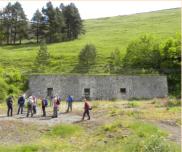
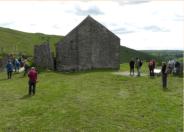
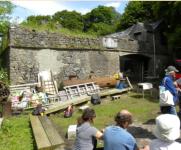
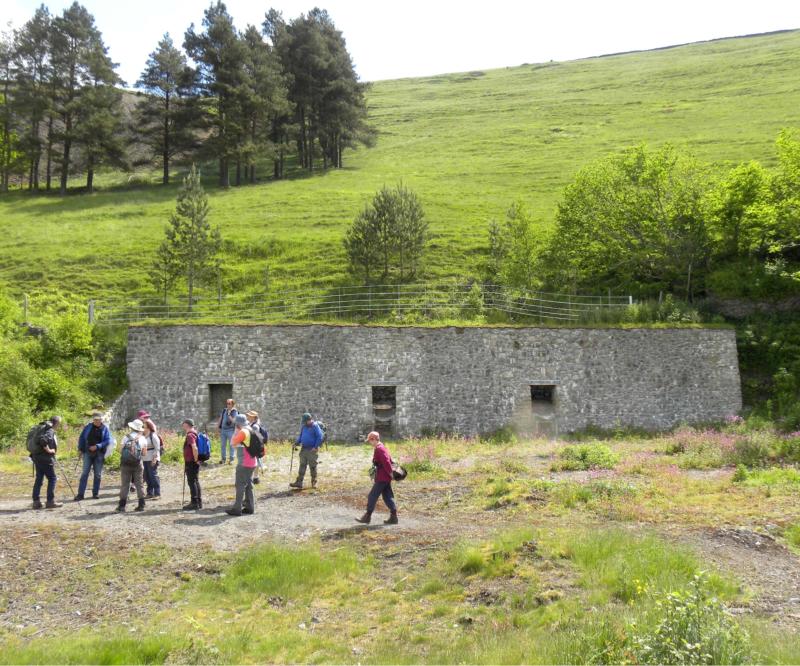
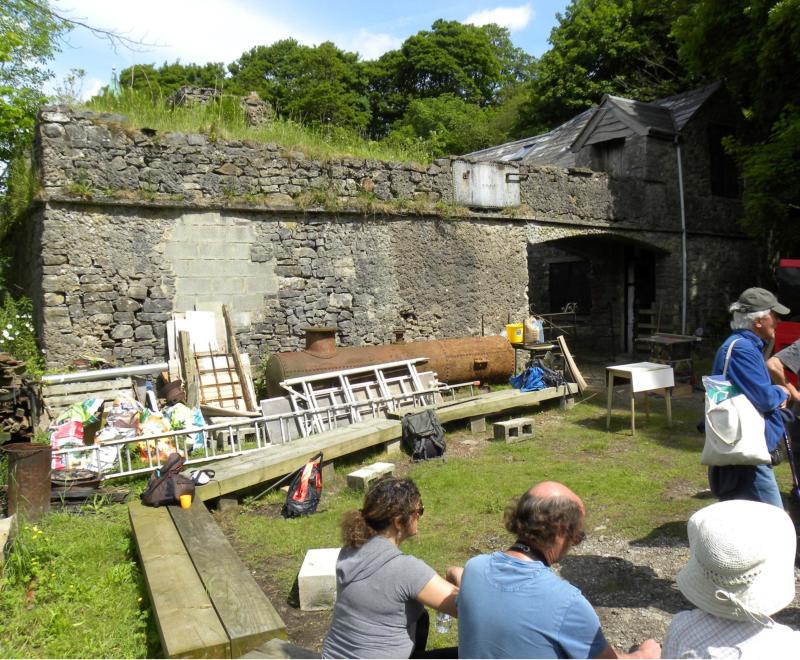
 Ecton: a Copper Mine of International Importance (Derbyshire/Staffordshire border, June 2017)
Archaeologist and historic mine specialist John Barnatt
led a group of us on a tour of the extensive copper, lead
and zinc mining remains on Ecton Hill. There was much
for us to see, including the restored 1880s dressing shed
back-wall with ore hoppers (right), an 1884 powder
house, and the well preserved 1788 Boulton and Watt
engine house (below left), which is the oldest mine
winding engine house in the world. The seats outside
the education centre provided a welcome rest — but
there was more climbing to do yet, as we worked our
way to the top of the hill. There were few signs of
change above ground since our prehistoric ancestors
mined this hill, but the occasional shaft entrance
served to remind us how much has been done here
underground, where the shafts are too dangerous to
allow entry. We were given botany lessons by one of the
group on the way back down the hill.
Ecton: a Copper Mine of International Importance (Derbyshire/Staffordshire border, June 2017)
Archaeologist and historic mine specialist John Barnatt
led a group of us on a tour of the extensive copper, lead
and zinc mining remains on Ecton Hill. There was much
for us to see, including the restored 1880s dressing shed
back-wall with ore hoppers (right), an 1884 powder
house, and the well preserved 1788 Boulton and Watt
engine house (below left), which is the oldest mine
winding engine house in the world. The seats outside
the education centre provided a welcome rest — but
there was more climbing to do yet, as we worked our
way to the top of the hill. There were few signs of
change above ground since our prehistoric ancestors
mined this hill, but the occasional shaft entrance
served to remind us how much has been done here
underground, where the shafts are too dangerous to
allow entry. We were given botany lessons by one of the
group on the way back down the hill.

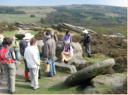
 Visit to Lawrence Field, Bole Hill Quarry & Millstone Edge, Derbyshire (April 2011)
Saturday 16th April was bright, with no sign of rain or wind. We duly assembled at the appointed car park (with a
short delay to feed cards, not coins, into the 21st-century ticket machine), before setting off down the deep hollow
way documented as ‘Milne Stone Gate’ (i.e. road) in 1714. After viewing a small quarry with a
dozen scattered millstones, we headed off to examine the spectacular stacks of stones, ready
for transport by a made trackway on the edge of Bole Hill Quarry. They became redundant when
synthetic stones and roller milling were introduced in the early 20th century, but were left in
place when the quarry was extended in 1902—10 to provide the stone for the dams on the
Derwent and Howden reservoirs.
Hathersage is documented as having 13 millstone makers in the township in 1590, each producing 12 pairs of stones a
year. The stone was also made into troughs and gateposts, as well as flat-edged discs for grindstones and crushing-
stones in the lead-working and other industries.
Looking carefully at some stones, it was evident that they were only partially made, like this
one in Lawrence Field: the central hole and uppermost surface had been dressed, but the sides
were only partially finished. It seems likely that its maker had only completed this upper side.
Below Mother Cap we searched for the scattered examples of mushroom shaped millstones
with one flat grinding surface and a domed top. They had been abandoned, propped for
dressing and not quite finished, perhaps because a flaw had developed. They are thought to
have been the earliest form of millstone made hereabouts, dying out in the 18th century when
finer imported stones where used for milling flour.
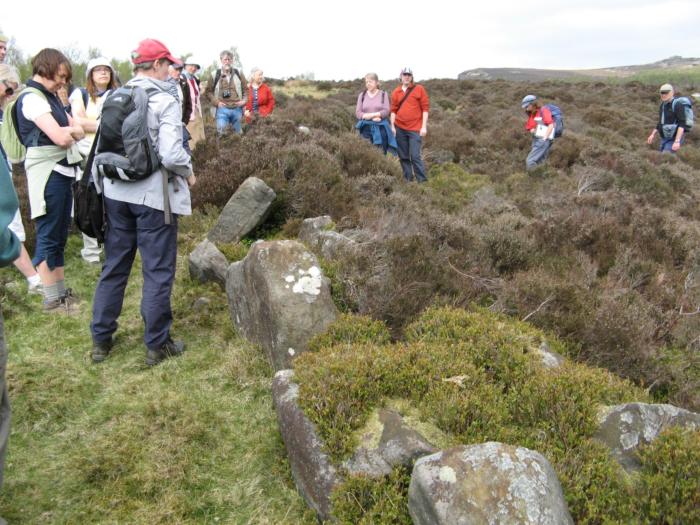
As the bracken had not yet emerged, we were able to examine the pair of boat-shaped
buildings on Lawrence Field, where excavations in 1959 produced flat querns and medieval
pottery. The buildings lie at the edge of a large enclosure, with parts of its line defined by
orthostats set on edge (left). Amongst the thick heather inside the enclosure, we were able to
trace some of the narrow banks and piles of stones that are interpreted as the clearance from
adjacent strips once used for agriculture.
Visit to Lawrence Field, Bole Hill Quarry & Millstone Edge, Derbyshire (April 2011)
Saturday 16th April was bright, with no sign of rain or wind. We duly assembled at the appointed car park (with a
short delay to feed cards, not coins, into the 21st-century ticket machine), before setting off down the deep hollow
way documented as ‘Milne Stone Gate’ (i.e. road) in 1714. After viewing a small quarry with a
dozen scattered millstones, we headed off to examine the spectacular stacks of stones, ready
for transport by a made trackway on the edge of Bole Hill Quarry. They became redundant when
synthetic stones and roller milling were introduced in the early 20th century, but were left in
place when the quarry was extended in 1902—10 to provide the stone for the dams on the
Derwent and Howden reservoirs.
Hathersage is documented as having 13 millstone makers in the township in 1590, each producing 12 pairs of stones a
year. The stone was also made into troughs and gateposts, as well as flat-edged discs for grindstones and crushing-
stones in the lead-working and other industries.
Looking carefully at some stones, it was evident that they were only partially made, like this
one in Lawrence Field: the central hole and uppermost surface had been dressed, but the sides
were only partially finished. It seems likely that its maker had only completed this upper side.
Below Mother Cap we searched for the scattered examples of mushroom shaped millstones
with one flat grinding surface and a domed top. They had been abandoned, propped for
dressing and not quite finished, perhaps because a flaw had developed. They are thought to
have been the earliest form of millstone made hereabouts, dying out in the 18th century when
finer imported stones where used for milling flour.
As the bracken had not yet emerged, we were able to examine the pair of boat-shaped
buildings on Lawrence Field, where excavations in 1959 produced flat querns and medieval
pottery. The buildings lie at the edge of a large enclosure, with parts of its line defined by
orthostats set on edge (left). Amongst the thick heather inside the enclosure, we were able to
trace some of the narrow banks and piles of stones that are interpreted as the clearance from
adjacent strips once used for agriculture.


 Visit to Ellys Manor House, Great Ponton, Lincolnshire (July 2011)
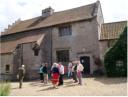
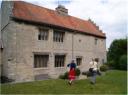
An excellent and informative day was enjoyed by 30 CBA members and non-members. Clive Taylor and his wife own
Ellys Manor House and offered an extensive tour of the unusual ‘two up, two down’ manor, mostly dating from the
15th century. There were some beautiful medieval wall paintings which
are currently awaiting conservation, hence the tours of the private house
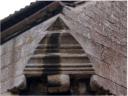
in order to raise funds. We also inspected the church with its oustanding
masonry, in particular its unique bespectacled gargoyle, said to reflect
one of the Ellys brothers who had poor eyesight.
The tour was linked into a historical and architectural background of the Northern Renaissance, bringing together
Flemish art with the stories of the wool merchants and their bling or
swagger. The building archaeologists were inundanted with questions from
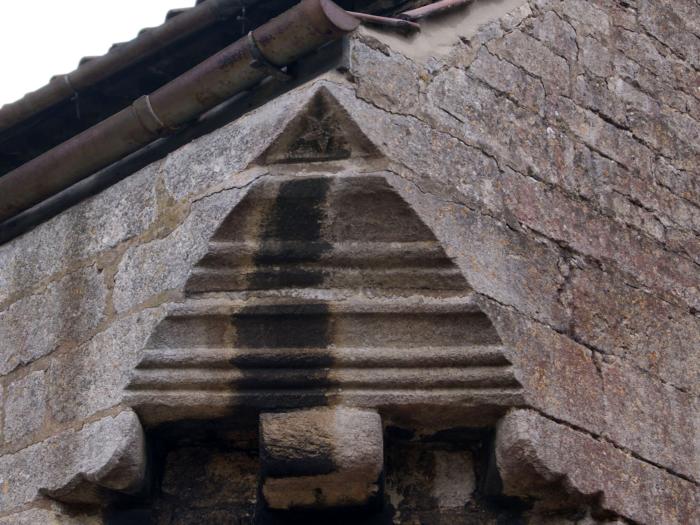
the owners asking for interpretation of various features, including a star
within a triangle — the most enlightened among us suggested a
stonemason with a penchant for starfish!
If you missed this trip, appointments to view the house can be made by arrangement www.ellysmanorhouse.com.
Ellys Manor House, Dallygate, Great Ponton, Lincolnshire NG33 5DP.
Visit to Ellys Manor House, Great Ponton, Lincolnshire (July 2011)
An excellent and informative day was enjoyed by 30 CBA members and non-members. Clive Taylor and his wife own
Ellys Manor House and offered an extensive tour of the unusual ‘two up, two down’ manor, mostly dating from the
15th century. There were some beautiful medieval wall paintings which
are currently awaiting conservation, hence the tours of the private house
in order to raise funds. We also inspected the church with its oustanding
masonry, in particular its unique bespectacled gargoyle, said to reflect
one of the Ellys brothers who had poor eyesight.
The tour was linked into a historical and architectural background of the Northern Renaissance, bringing together
Flemish art with the stories of the wool merchants and their bling or
swagger. The building archaeologists were inundanted with questions from
the owners asking for interpretation of various features, including a star
within a triangle — the most enlightened among us suggested a
stonemason with a penchant for starfish!
If you missed this trip, appointments to view the house can be made by arrangement www.ellysmanorhouse.com.
Ellys Manor House, Dallygate, Great Ponton, Lincolnshire NG33 5DP.

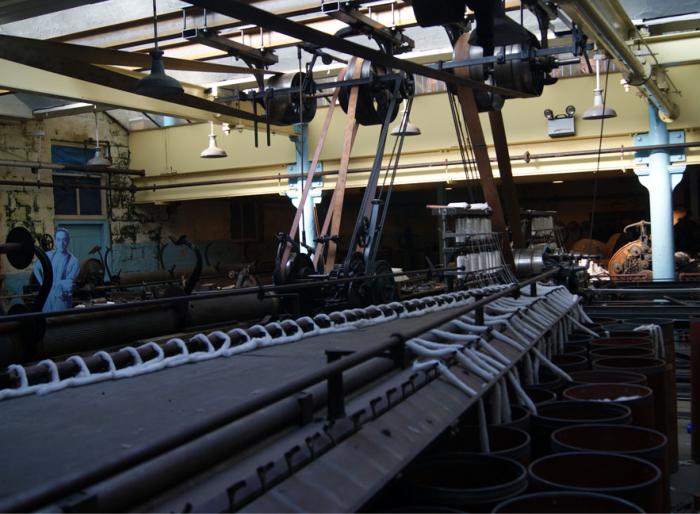
 Industrial Archaeology Day at Masson Mills, Derbyshire (March 2012)
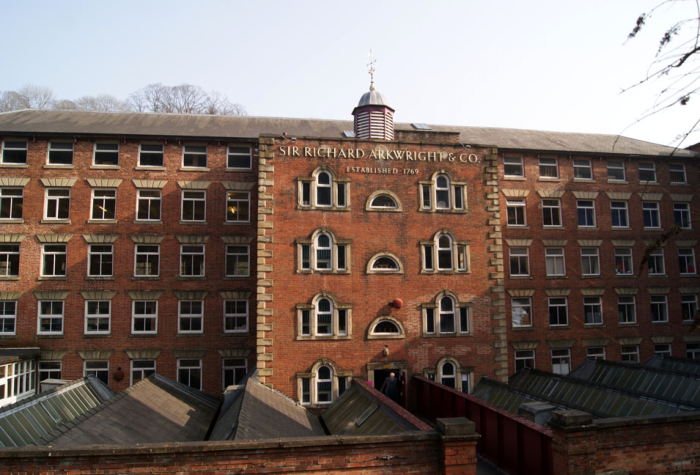
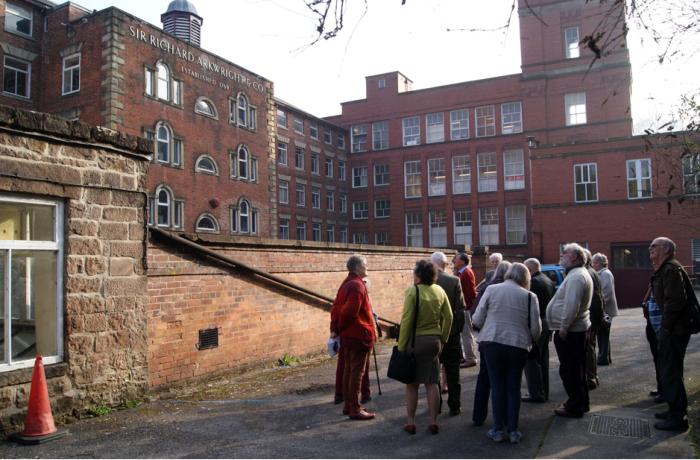
The 2012 spring meeting and AGM was held in Matlock Bath at
Masson Mills, a cotton mill built in 1783 by Sir Richard Arkwright.
The mill now survives as a working textile museum, conference
centre and shopping village.
We started off with two lectures, the first by Professor Marilyn Palmer on the East Midlands’ place at the forefront of
the cotton industry, and the second by Dr Barrie Trinder on how census returns can help to illuminate the people who
lived and worked in the buildings we study. After lunch, Dr John Barnatt recounted his excavations of the ruined
engine houses of three Derbyshire lead mines, and how documentary research can help to explain what’s in the
ground.
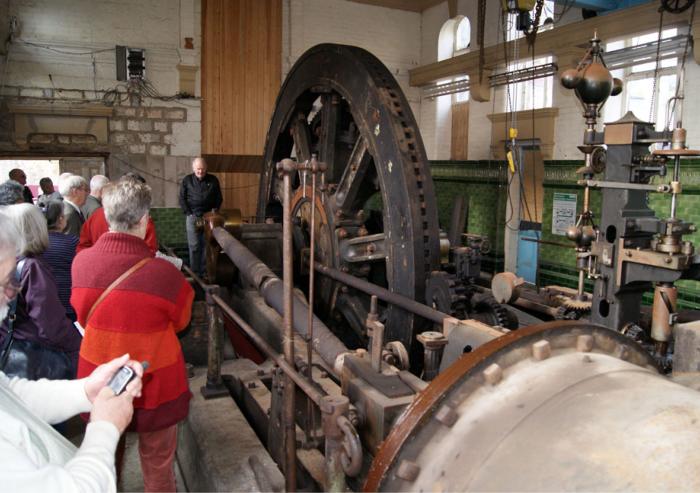
The afternoon was rounded off by a rapid tour of the museum. Extensive work has been undertaken by the small
team of staff to bring the cotton industry to life for the museum’s visitors, and we were all left impressed by the
facts and figures involved.
Industrial Archaeology Day at Masson Mills, Derbyshire (March 2012)
The 2012 spring meeting and AGM was held in Matlock Bath at
Masson Mills, a cotton mill built in 1783 by Sir Richard Arkwright.
The mill now survives as a working textile museum, conference
centre and shopping village.
We started off with two lectures, the first by Professor Marilyn Palmer on the East Midlands’ place at the forefront of
the cotton industry, and the second by Dr Barrie Trinder on how census returns can help to illuminate the people who
lived and worked in the buildings we study. After lunch, Dr John Barnatt recounted his excavations of the ruined
engine houses of three Derbyshire lead mines, and how documentary research can help to explain what’s in the
ground.
The afternoon was rounded off by a rapid tour of the museum. Extensive work has been undertaken by the small
team of staff to bring the cotton industry to life for the museum’s visitors, and we were all left impressed by the
facts and figures involved.


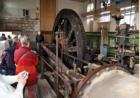

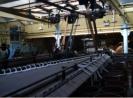
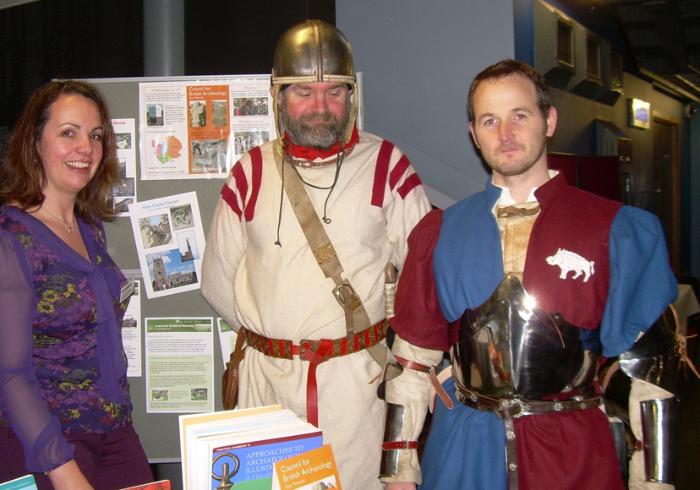
 The Past Beneath Your Feet: Archaeology and History in Leicestershire (Leicester, January 2013)
CBA East Midlands joined archaeologists and historians from Leicestershire and beyond for a day of events for all the
family. These included talks by well-known archaeologists, hands-on
activities, historical re-enactments, exhibits, and a chance to find
out what a range of local and national organisations get up to.
People were able to bring their own finds along to learn more about
them — and of course they were given the latest news about the
University's search for Richard III.
The Past Beneath Your Feet: Archaeology and History in Leicestershire (Leicester, January 2013)
CBA East Midlands joined archaeologists and historians from Leicestershire and beyond for a day of events for all the
family. These included talks by well-known archaeologists, hands-on
activities, historical re-enactments, exhibits, and a chance to find
out what a range of local and national organisations get up to.
People were able to bring their own finds along to learn more about
them — and of course they were given the latest news about the
University's search for Richard III.
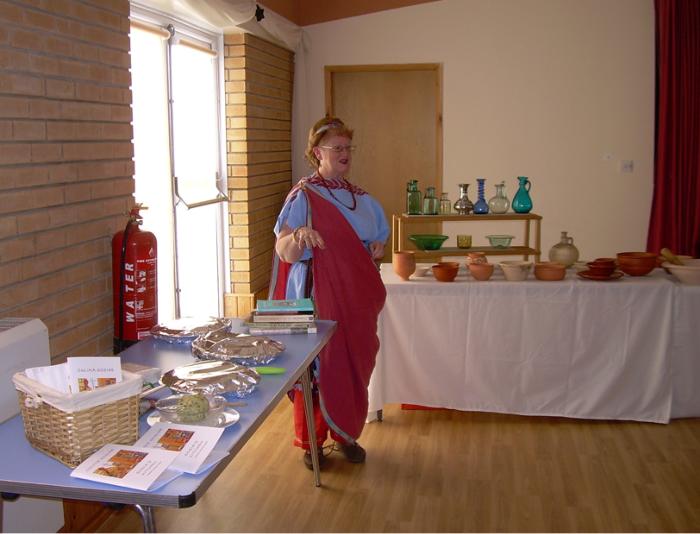
 Food, Glorious Food: Great Ponton, Lincolnshire (March 2013)
More than 30 of us braved the snow to hear all about the history of food and people’s eating
habits. Daryl Garton explained how the earliest hunters used flint tools to skin hares,
Shirley Walsh introduced us to the delights of the Roman kitchen, and Mark Dawson
examined everyday dining habits in post-medieval Derbyshire.
Lunch was a key part of the event — we were able to sample Shirley’s apple cake and garlic
cheese, both made to Roman recipes.
Food, Glorious Food: Great Ponton, Lincolnshire (March 2013)
More than 30 of us braved the snow to hear all about the history of food and people’s eating
habits. Daryl Garton explained how the earliest hunters used flint tools to skin hares,
Shirley Walsh introduced us to the delights of the Roman kitchen, and Mark Dawson
examined everyday dining habits in post-medieval Derbyshire.
Lunch was a key part of the event — we were able to sample Shirley’s apple cake and garlic
cheese, both made to Roman recipes.
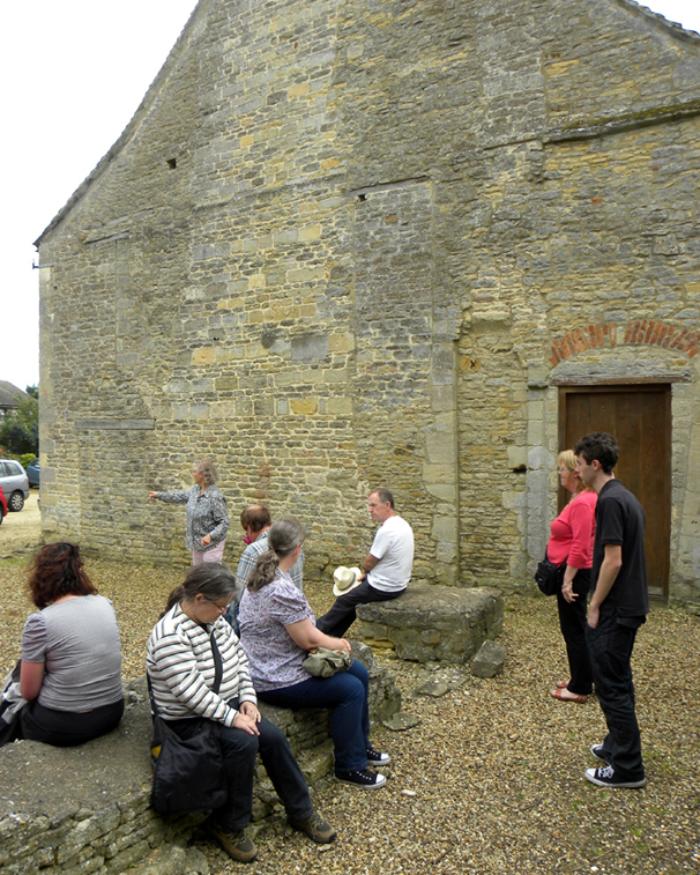
 Visit to Nassington Prebendal Manor and Tithe Barn Museum, Northamptonshire (June 2012)
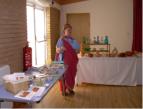
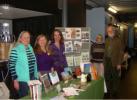
In a joint event with CBA South Midlands, we visited the medieval Prebendal Manor with its stunning recreated
gardens at Nassington, Northamptonshire. The manor’s owner, Jane Baile, started the day by taking us on a tour of
the village, before providing us with lunch back at the museum.
We split into two groups in the afternoon for a tour of the house and the garden. Jane led us
round the house, which is Grade I listed and is the oldest surviving dwelling in the county. It
was great to hear about the house’s history from someone who knows it so intimately, having
restored much of it. The fascinating tour of the gardens was led by Mike Brown, their designer,
who also showed us round the 16th-century dovecot. To round off the day, we crossed over the
road to look round the Anglo-Saxon church that lies opposite, which boasts a collection of
medieval wall paintings among its many attractions.
Visit to Nassington Prebendal Manor and Tithe Barn Museum, Northamptonshire (June 2012)
In a joint event with CBA South Midlands, we visited the medieval Prebendal Manor with its stunning recreated
gardens at Nassington, Northamptonshire. The manor’s owner, Jane Baile, started the day by taking us on a tour of
the village, before providing us with lunch back at the museum.
We split into two groups in the afternoon for a tour of the house and the garden. Jane led us
round the house, which is Grade I listed and is the oldest surviving dwelling in the county. It
was great to hear about the house’s history from someone who knows it so intimately, having
restored much of it. The fascinating tour of the gardens was led by Mike Brown, their designer,
who also showed us round the 16th-century dovecot. To round off the day, we crossed over the
road to look round the Anglo-Saxon church that lies opposite, which boasts a collection of
medieval wall paintings among its many attractions.


 Exploring the Church of St Mary
and All Saints with its medieval
wall paintings
Mike Brown explains the layout
of the recreated medieval
gardens
Navenby spring 2018: From Roman to Anglo-Saxon
Southwell autumn 2018: With the Eye of Faith:
the Archaeology of Religion
Matlock spring 2019: Interpreting the Landscape
Exploring the Church of St Mary
and All Saints with its medieval
wall paintings
Mike Brown explains the layout
of the recreated medieval
gardens
Navenby spring 2018: From Roman to Anglo-Saxon
Southwell autumn 2018: With the Eye of Faith:
the Archaeology of Religion
Matlock spring 2019: Interpreting the Landscape
 Sites and Skills of the late Ice Age (Newark, November 2019)
This joint conference between CBA-EM and Ice Age Journeys celebrated the National Lottery’s support for a
partnership between Bradgate Park, Creswell Crags and Ice Age Journeys. The speakers’ presentations were recorded
and can be found at https://iceagejourneys.org.uk/ice-age-journeys-reconstructed; they occur in the following order:
1. Professor Nick Barton: University of Oxford. Recent discoveries in the Late Glacial Palaeolithic: Farndon Fields
(Notts), Guildford Fire Station (Surrey)
2. Dr Ian Ross: Chairman of the Ice Age Insights charity. Ice Age Journeys — mapping Farndon Fields in its landscape
3. Daryl Garton: Archaeologist for Ice Age Journeys. Learning essential skills for an Ice Age journey
4. Dr Colin Baker: Volunteer with the Ice Age Journeys. Does the concept of “Lake Humber” have any relevance for
understanding the Late Ice Age environment of the Lower Trent Valley?
5. Jennifer Horseman, MSc Palaeoanthropology: Learning and Engagement Officer at Creswell Crags. All About the
Ice Age (by Jennifer age 7½) — or Teaching the Palaeolithic
6. Ben Elliott: Post Doctoral Researcher at the University of Newcastle. Making a point: bone and antler tool kits in
Late Glacial Britain
7. Lynden Cooper: Project Officer for University of Leicester Archaeological Services. Bradgate Park: a Strategic
Hunting Location
8. Kevin Kuykendall: University of Sheffield. Prospecting for the Palaeolithic: a field strategy for Creswell Crags
and the Limestone Heritage Area
9. Alison Roberts: Assistant Curator for European and Early Prehistoric Collections, Ashmolean Museum, Oxford.
Some thoughts on the day
10. James Dilley: AncientCraft and University of Southampton. A video showing James knapping flint blades (this
video was recorded at Creswell Crags after James was unable to attend the conference in Newark)
Newark autumn 2019: Sites and Skills of the
Late Ice Age
Online autumn 2021: Community, Continuity and
COVID: Archaeology through Lockdown
Nottingham autumn 2022: Revisiting the Palaeolithic:
15 years of research in the East Midlands
Ashby-de-la-Zouch spring 2023: Reviewing the
Late Bronze Age and Iron Age in the East Midlands
Online spring 2022: Community, Continuity and
COVID II: more Archaeology through Lockdown
Navenby autumn 2023: CBA-EM and SLHA joint
archaeology conference
Sites and Skills of the late Ice Age (Newark, November 2019)
This joint conference between CBA-EM and Ice Age Journeys celebrated the National Lottery’s support for a
partnership between Bradgate Park, Creswell Crags and Ice Age Journeys. The speakers’ presentations were recorded
and can be found at https://iceagejourneys.org.uk/ice-age-journeys-reconstructed; they occur in the following order:
1. Professor Nick Barton: University of Oxford. Recent discoveries in the Late Glacial Palaeolithic: Farndon Fields
(Notts), Guildford Fire Station (Surrey)
2. Dr Ian Ross: Chairman of the Ice Age Insights charity. Ice Age Journeys — mapping Farndon Fields in its landscape
3. Daryl Garton: Archaeologist for Ice Age Journeys. Learning essential skills for an Ice Age journey
4. Dr Colin Baker: Volunteer with the Ice Age Journeys. Does the concept of “Lake Humber” have any relevance for
understanding the Late Ice Age environment of the Lower Trent Valley?
5. Jennifer Horseman, MSc Palaeoanthropology: Learning and Engagement Officer at Creswell Crags. All About the
Ice Age (by Jennifer age 7½) — or Teaching the Palaeolithic
6. Ben Elliott: Post Doctoral Researcher at the University of Newcastle. Making a point: bone and antler tool kits in
Late Glacial Britain
7. Lynden Cooper: Project Officer for University of Leicester Archaeological Services. Bradgate Park: a Strategic
Hunting Location
8. Kevin Kuykendall: University of Sheffield. Prospecting for the Palaeolithic: a field strategy for Creswell Crags
and the Limestone Heritage Area
9. Alison Roberts: Assistant Curator for European and Early Prehistoric Collections, Ashmolean Museum, Oxford.
Some thoughts on the day
10. James Dilley: AncientCraft and University of Southampton. A video showing James knapping flint blades (this
video was recorded at Creswell Crags after James was unable to attend the conference in Newark)
Newark autumn 2019: Sites and Skills of the
Late Ice Age
Online autumn 2021: Community, Continuity and
COVID: Archaeology through Lockdown
Nottingham autumn 2022: Revisiting the Palaeolithic:
15 years of research in the East Midlands
Ashby-de-la-Zouch spring 2023: Reviewing the
Late Bronze Age and Iron Age in the East Midlands
Online spring 2022: Community, Continuity and
COVID II: more Archaeology through Lockdown
Navenby autumn 2023: CBA-EM and SLHA joint
archaeology conference
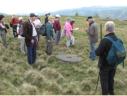
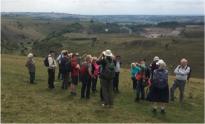
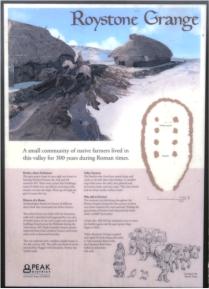
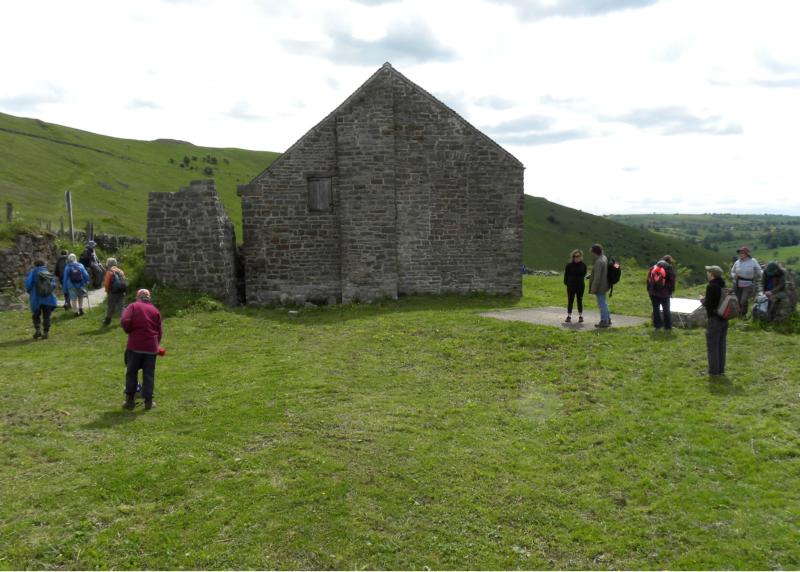
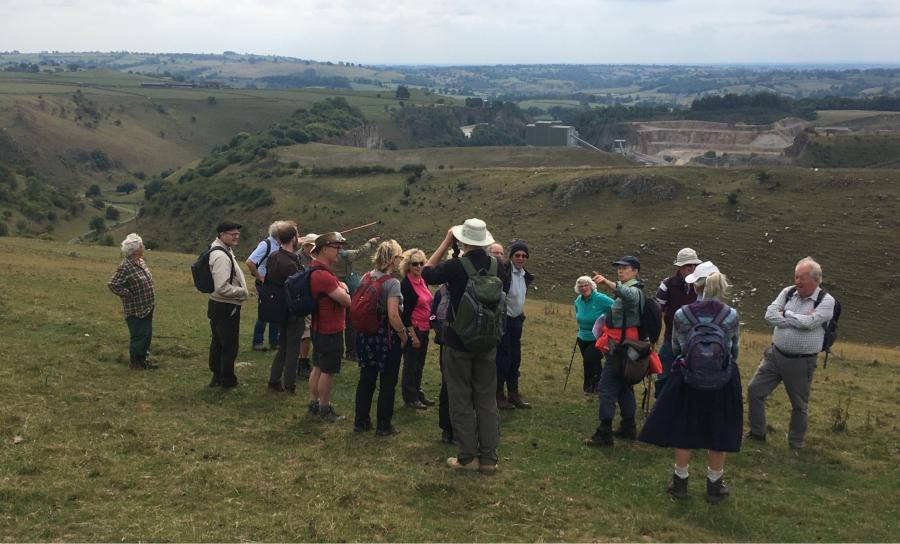
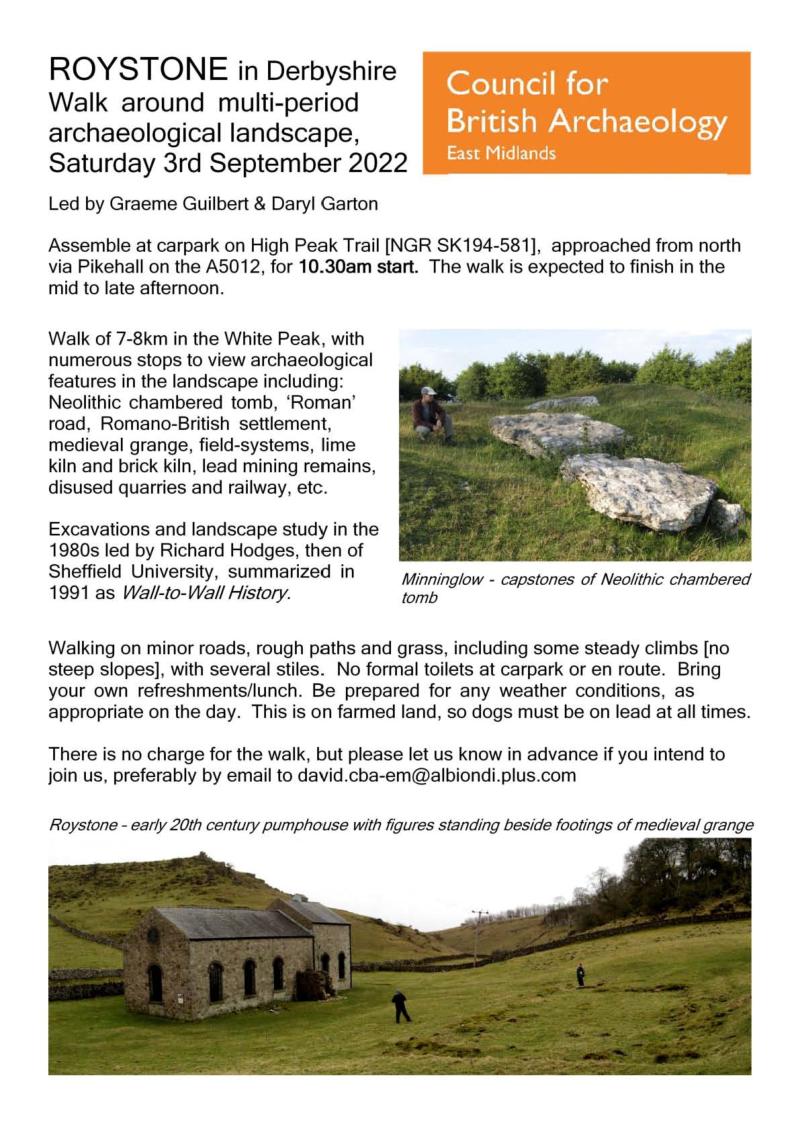
 Roystone Grange, Derbyshire: archaeological walking tour (September 2022)
Graeme Guilbert and Daryl Garton led this walk in
the White Peak, examining a landscape that
included a Neolithic chambered tomb, a Roman
road, a Romano-British settlement, a medieval
grange, a lime kiln and brick kiln, disused
quarries, and the remains of lead mining.
Roystone Grange, Derbyshire: archaeological walking tour (September 2022)
Graeme Guilbert and Daryl Garton led this walk in
the White Peak, examining a landscape that
included a Neolithic chambered tomb, a Roman
road, a Romano-British settlement, a medieval
grange, a lime kiln and brick kiln, disused
quarries, and the remains of lead mining.


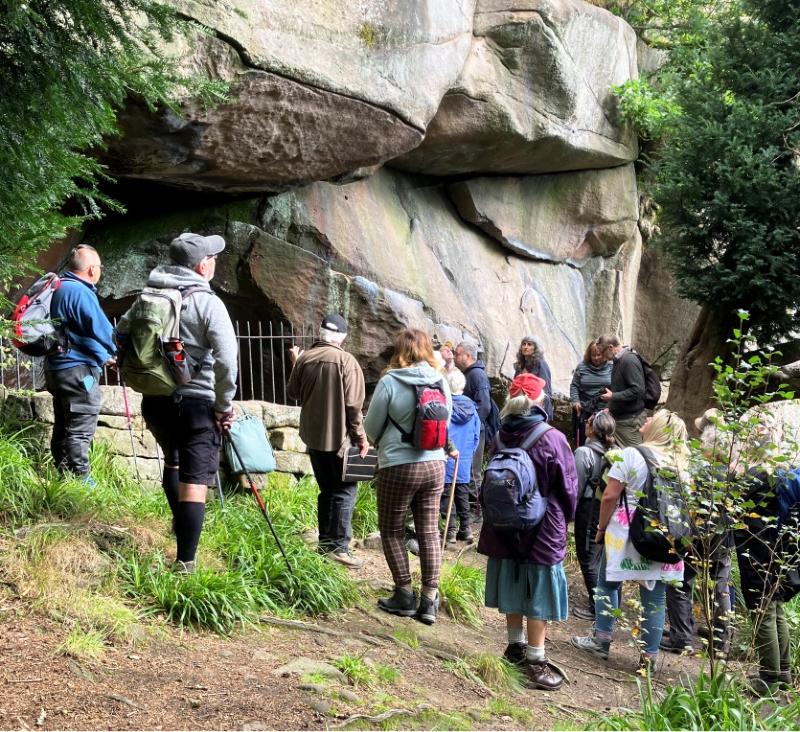
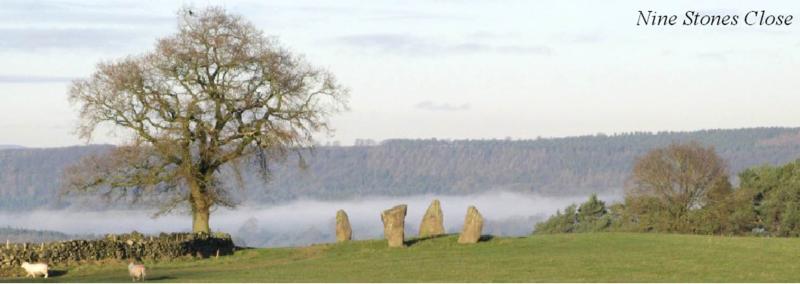
 Harthill Moor, Derbyshire: ‘Where the rocks begin’ (
September 2023
)
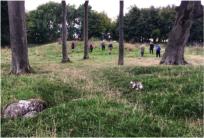
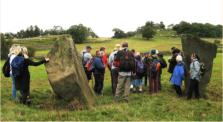
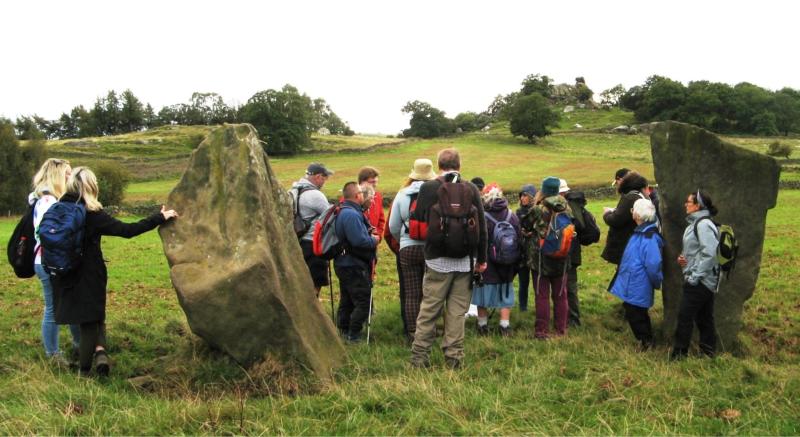
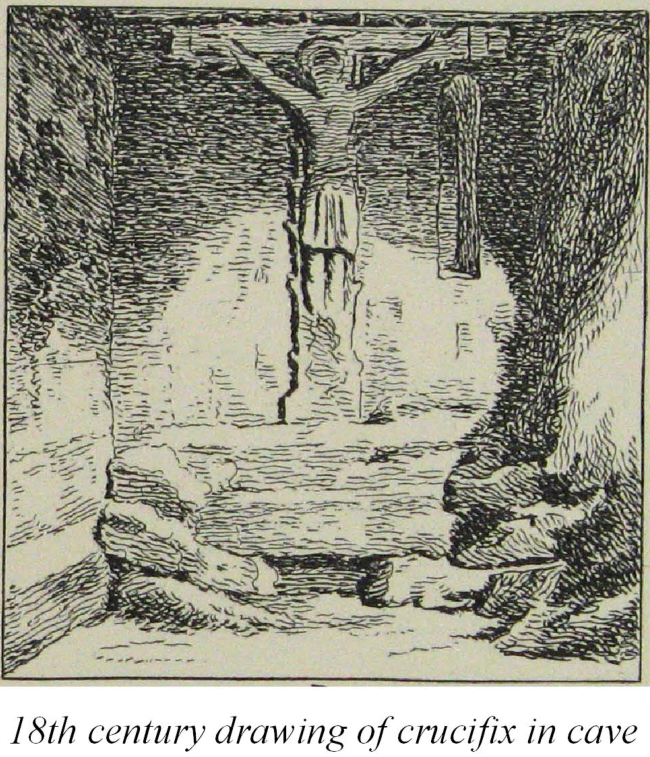
The archaeological landscape of Harthill
Moor includes a stone circle, two hillforts,
an earthwork enclosure, a hermit’s cave
with a sculpted crucifix, and the old
‘Portway’. After being rained off in July,
Graeme Guilbert and Daryl Garton were
finally able to lead a tour of this landscape
in September 2023.
Harthill Moor, Derbyshire: ‘Where the rocks begin’ (
September 2023
)
The archaeological landscape of Harthill
Moor includes a stone circle, two hillforts,
an earthwork enclosure, a hermit’s cave
with a sculpted crucifix, and the old
‘Portway’. After being rained off in July,
Graeme Guilbert and Daryl Garton were
finally able to lead a tour of this landscape
in September 2023.


 Bakewell spring 2024: Fortifications through the Ages: the
hillforts, Roman forts and castles of the East Midlands
Southwell autumn 2024: Country house archaeology of
the East Midlands
Ashby-de-la-Zouch spring 2025: Recent archaeological
work in the East Midlands
Leicester autumn 2025: Leicester Cathedral Revealed
Navenby spring 2026: Romans in the East Midlands
Bakewell spring 2024: Fortifications through the Ages: the
hillforts, Roman forts and castles of the East Midlands
Southwell autumn 2024: Country house archaeology of
the East Midlands
Ashby-de-la-Zouch spring 2025: Recent archaeological
work in the East Midlands
Leicester autumn 2025: Leicester Cathedral Revealed
Navenby spring 2026: Romans in the East Midlands
 Council for British Archaeology — East Midlands Group: Archaeology for all
Charity No. 1082287
Council for British Archaeology — East Midlands Group: Archaeology for all
Charity No. 1082287



















 Grantham autumn 2025: Fieldwalking: past, present ...
and future?
Derby spring 2017: Manufacturing Through the Ages
Southwell autumn 2016: Trials & Triumphs:
Archaeology in the 21st century
Kibworth autumn 2015: Medieval Archaeology of the
East Midlands
Derby spring 2015: Archaeology in High Places
Newark autumn 2014: At the End of the Ice Age
Lambley autumn 2013: Members’ Research Day
Melton Mowbray spring 2014: Archaeology at the
Fringe II
Navenby spring 2016: Aspects of Invasion in the
East Midlands
Oakham autumn 2017: Recent Fieldwork in the
East Midlands
Grantham autumn 2025: Fieldwalking: past, present ...
and future?
Derby spring 2017: Manufacturing Through the Ages
Southwell autumn 2016: Trials & Triumphs:
Archaeology in the 21st century
Kibworth autumn 2015: Medieval Archaeology of the
East Midlands
Derby spring 2015: Archaeology in High Places
Newark autumn 2014: At the End of the Ice Age
Lambley autumn 2013: Members’ Research Day
Melton Mowbray spring 2014: Archaeology at the
Fringe II
Navenby spring 2016: Aspects of Invasion in the
East Midlands
Oakham autumn 2017: Recent Fieldwork in the
East Midlands











 Exploring the Church of St Mary
and All Saints with its medieval
wall paintings
Mike Brown explains the layout
of the recreated medieval
gardens
Navenby spring 2018: From Roman to Anglo-Saxon
Southwell autumn 2018: With the Eye of Faith:
the Archaeology of Religion
Matlock spring 2019: Interpreting the Landscape
Exploring the Church of St Mary
and All Saints with its medieval
wall paintings
Mike Brown explains the layout
of the recreated medieval
gardens
Navenby spring 2018: From Roman to Anglo-Saxon
Southwell autumn 2018: With the Eye of Faith:
the Archaeology of Religion
Matlock spring 2019: Interpreting the Landscape


 Bakewell spring 2024: Fortifications through the Ages: the
hillforts, Roman forts and castles of the East Midlands
Southwell autumn 2024: Country house archaeology of
the East Midlands
Ashby-de-la-Zouch spring 2025: Recent archaeological
work in the East Midlands
Leicester autumn 2025: Leicester Cathedral Revealed
Navenby spring 2026: Romans in the East Midlands
Bakewell spring 2024: Fortifications through the Ages: the
hillforts, Roman forts and castles of the East Midlands
Southwell autumn 2024: Country house archaeology of
the East Midlands
Ashby-de-la-Zouch spring 2025: Recent archaeological
work in the East Midlands
Leicester autumn 2025: Leicester Cathedral Revealed
Navenby spring 2026: Romans in the East Midlands